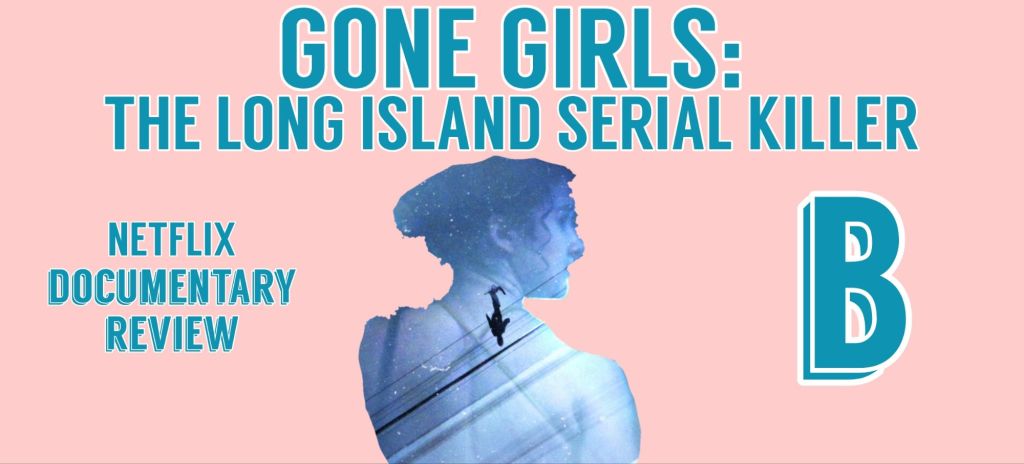
Gone Girls: The Long Island Serial Killer is now streaming on Netflix.
By Greg Wheeler
Throughout much of human history, prostitutes and sex workers have been treated with disdain and contempt. Interestingly, actors and entertainers were once viewed similarly, and in some cultures, even more harshly.
That comparison is important because, while actors have risen to fame and public admiration, sex workers have not experienced the same cultural acceptance. Those lingering prejudices are felt throughout Gone Girls: The Long Island Killer, Netflix’s latest three-part docuseries. In addition to spotlighting police incompetence and mishandling of a major case, the series sheds light on the dangerous and unpredictable world of sex work and examines how society continues to view this line of work.
Set along Gilgo Beach in Long Island, Gone Girls focuses on a series of murders of young women, known as the “Gilgo Four,” which shocked the local community.
Following the 2010 discoveries, six more sets of remains were later found in the Suffolk and Nassau County areas, revealing a longer list of murders that had gone unsolved for years.
Directed by Liz Garbus, the series primarily focuses on the victims’ stories. Loved ones, friends, relatives, and eyewitnesses offer their perspectives through interviews, which are combined with reenactments and archival photos. These elements come together to give the victims space to be remembered as full people, not just as sex workers, a label that so often clouds public perception.
The episodes follow a clear and chronological structure. Episode 1 covers the discovery of the bodies. Episode 2 explores the corruption and failures within the police department. Episode 3 revisits the earlier stages of the investigation, including the broader set of remains found near the Gilgo Four.
The pacing is strong, and the three-episode format feels like the right length for the story. However, it could have benefited from a bit more information in certain areas.
One notable omission is the fact that Mari Gilbert, Shannan’s mother, was killed by her other daughter, Sarra. Given how instrumental Mari was in pushing the investigation forward, this is a significant detail to leave out.
Despite that, the series does a compelling job of highlighting how law enforcement failed these women and how society continues to devalue people in the sex work industry. These victims were unfairly judged and often ignored because of the stigma surrounding their profession.
Gone Girls is a heartbreaking look at a case defined by systemic failure and loss. It gives the victims a voice they may not have had during their lives and reminds viewers that their lives mattered.
Whether modern society’s perception of sex work will ever change remains to be seen. And with the case still awaiting prosecution and conviction, justice has yet to be fully served. One can only hope that it will be, sooner rather than later.
I give Gone Girls: The Long Island Serial Killer a B.

 TV and City