Minted will be airing on PBS, January 6 at 10pm. Afterwards, the film will be available to stream for free on the PBS App or YouTube channel.
By Zachary Greenberg
In the height of 2021’s wild and speculative energy surrounding digital art collectibles, I remember hearing a joke about the classic sales challenge of “sell me this pencil.” The best response at the time was, “it’s an NFT.”
Directed by Nicholas Bruckman, the new documentary Minted dives deep into this phenomenon, chronicling the meteoric rise and dramatic collapse of the NFT market. Through the voices of artists, collectors, and critics, the film explores both the promise and pitfalls of this revolutionary digital medium.
I very much enjoyed Minted and found it to be a really fun and informative film. The doc brilliantly showcases the explosive creativity and opportunities NFTs brought to the art world while providing a thoughtful examination of the challenges, controversies, and risks that came with them.
I had the privilege of sitting down with Bruckman, a Sundance Film Festival Award Winner, to discuss Minted, the stories behind it, and his perspective on the NFT movement.
TV and City: Nick, thanks so much for taking the time to meet with me! Do you mind telling me a little about yourself, where you’re from, and what brought you into the film industry?
Nicholas: Absolutely, happy to. Thanks for doing this. I got into film from a really early age. I was filming with a VHS camera when I was seven years old and wanted to be a music video director. In college, I studied digital art, focusing on experimental video art like Nam June Paik, which later informed the NFT movement.
After graduating, my films focused on social justice topics, like Not Going Quietly (check it out on Hulu, PBS POV, and Vice Media), about a healthcare activist, and others on immigration and environmental issues. People were surprised when I tackled a movie about cryptocurrency and NFTs, but for me, it was a chance to return to my roots in digital art.
Back then, digital artwork wasn’t in museums or galleries, and you couldn’t make a living selling it. Artists used CD-ROMs or hard drives to exchange their work, but it remained niche. I’d followed Beeple for years and noticed his posts about NFTs in 2020. Having invested in cryptocurrency before, I found blockchain fascinating. When it intersected with digital artists making a living, it felt like an important story to tell. In 2021, I partnered with cryptocurrency producers, and we began traveling the world to capture the stories of artists innovating in this medium. We couldn’t have imagined where the journey would go.
I loved your film, by the way! I’ve dabbled in NFTs a bit, so it was really cool to see these stories come to life.
Thanks! It’s great to hear you’ve had experience with NFTs. I often find that people are either skeptical or highly enthusiastic about them, and I wanted the film to speak to all audiences. Whether someone thinks NFTs are scams or revolutionary, the film explores the complexities of this space.
You started filming in 2021, which was just before the NFT craze took off. Did you have an ending in mind, or was the process more open-ended?
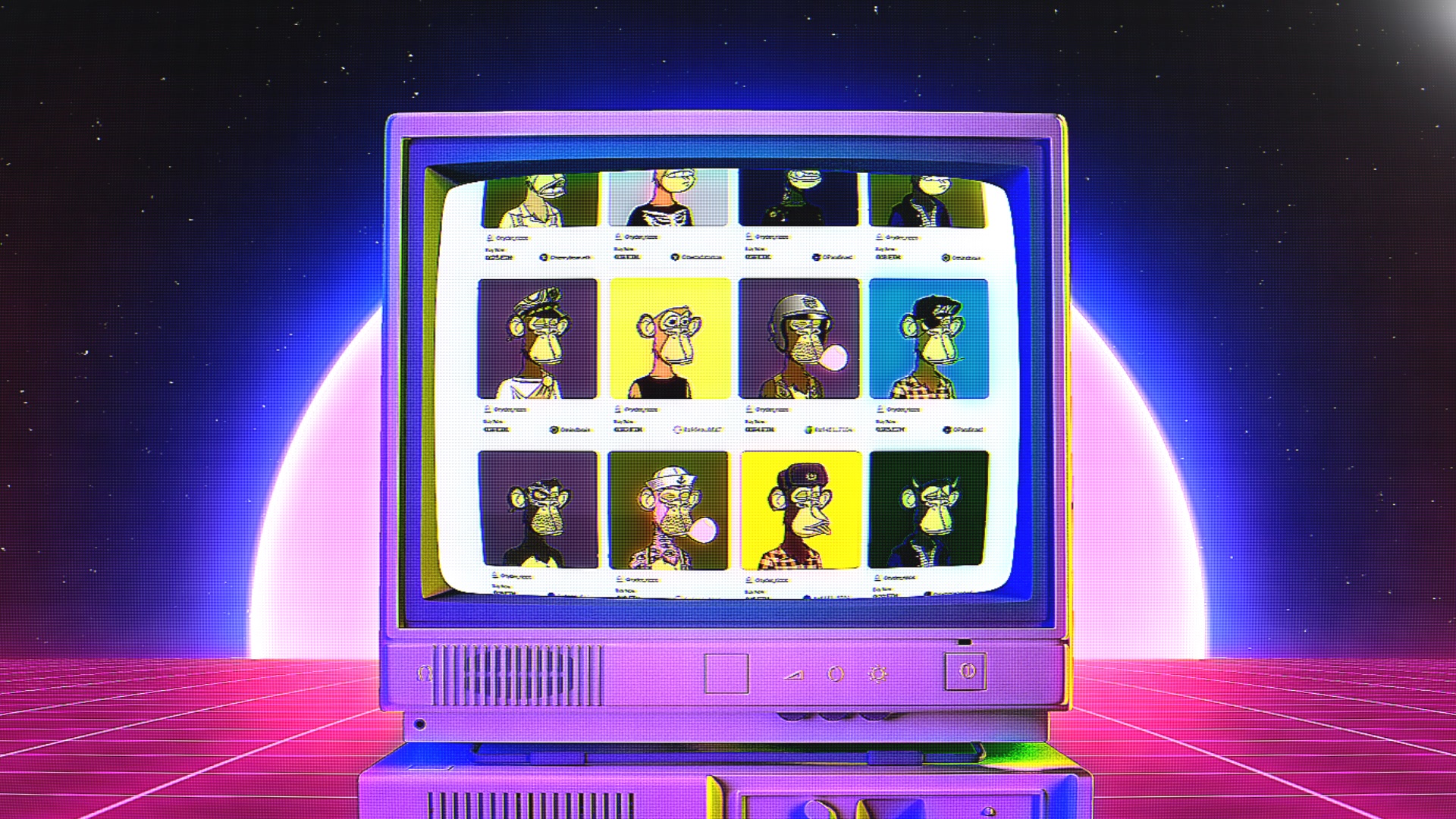
Great question. No, we didn’t have an ending in mind. Most great documentaries don’t. This one was unique because it was happening during such a stratospheric phenomenon. Even our crew couldn’t believe what we were seeing. The success these artists were having, the astronomical amounts of money trading hands. It was surreal. From Beeple’s $69 million sale to Justin Aversano’s auction at Christie’s, to the rising valuations of Bored Ape NFTs, it felt like a massive Gold Rush.
At the same time, it was inspiring. Many of these artists came from diverse backgrounds, and NFTs provided them with opportunities and platforms they’d never had before. They were taking huge risks by jumping into this new technology and community. Our goal during the filmmaking process was to highlight the stories of people with different artistic and creative perspectives. For example, Justin used NFTs to process personal loss and elevate photography to a museum-quality level. Meanwhile, Latasha redefined music videos as standalone art that could have its own audience and collector base. These different philosophies added richness to the film.
We didn’t go into it with a fixed ending, but eventually, we realized we had captured enough to tell a compelling story. The narrative organically came together over time.
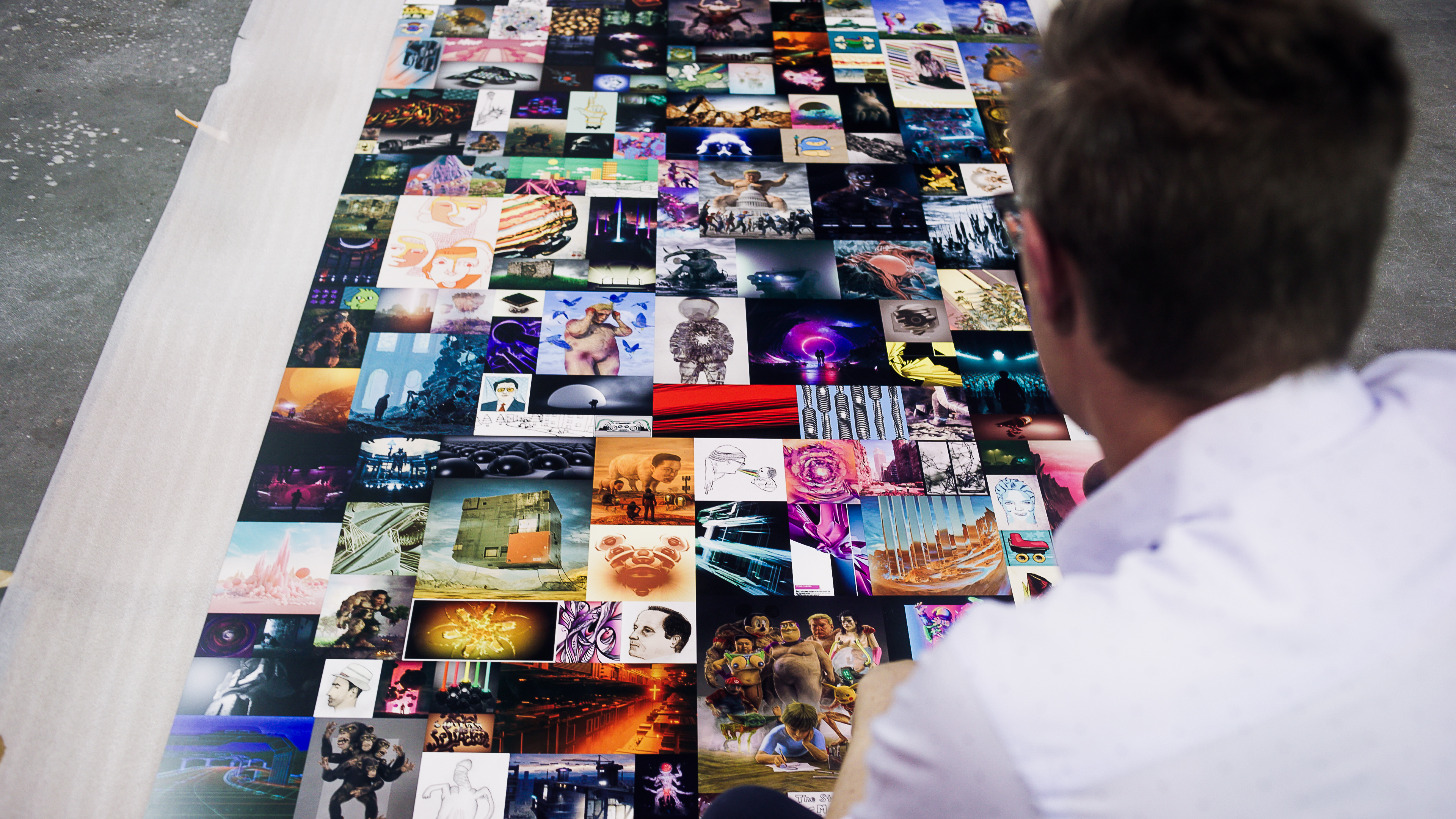
Your film doesn’t shy away from showing the darker sides of NFTs, like stolen artwork or financial losses after the bubble popped. Can you elaborate on what you hope viewers take away from these stories?
Absolutely. I wanted the film to address both sides of the NFT story. For skeptics and critics, I hoped it would make them reconsider or at least understand the technology better. For believers, I wanted them to see the potential pitfalls and think about how to deploy and regulate this technology thoughtfully. Blockchain is a powerful tool, but it comes with risks.
One of the downsides is that there’s no customer service line for the blockchain. If your NFTs are stolen, there’s no one to call. We showed stories of collectors who lost their life savings in NFTs and had no recourse. The technology removes intermediaries, but intermediaries like banks and governments sometimes serve important functions, like offering protection and accountability. I hope viewers walk away with a better understanding of these trade-offs.
What was the most memorable moment during filming that shaped the direction of the film?
One moment was with Nigerian twins Osinachi and Yusuf. They used their NFT earnings to buy school and art supplies for local children. It’s a small scene in the film, but it was so impactful. In Nigeria, becoming a fine artist is rarely seen as a viable career path because resources for art are so limited. These twins not only monetized their work but also gave back to their community in meaningful ways. It showed how compensating artists fairly can ripple outward and uplift others.
That moment helped reinforce the idea that NFTs aren’t just a passing fad or about speculative prices. They’ve opened real doors for artists worldwide and created opportunities that didn’t exist before.
You touched on celebrity involvement in NFTs, which can be polarizing. What are your thoughts on this?
It’s a nuanced topic. Some celebrities, like Paris Hilton, have done a lot to support NFT artists. She even created a grant program for crypto artists, which is commendable. However, the film also explores how celebrity-driven marketing can make people vulnerable. Some collectors followed “pump and dump” schemes, where celebrities endorsed NFTs that quickly lost value. This blurred the line between art and finance, leaving many collectors confused about what they were buying.
Finally, what’s next for your film company, People’s Television, and are there any upcoming projects you can share?
I wear two hats as a documentary director and the CEO of People’s Television. We’re based in New York and DC, producing feature documentaries and stories for brands and nonprofits. Right now, we’re working on a four-part documentary series about America’s love-hate relationship with milk. It’s about much more than cow milk, and I can’t wait to share it.
We’re always looking for new pitches and partnerships, whether it’s with filmmakers or brands. Our focus is on creating socially conscious stories that have a real impact.
 TV and City